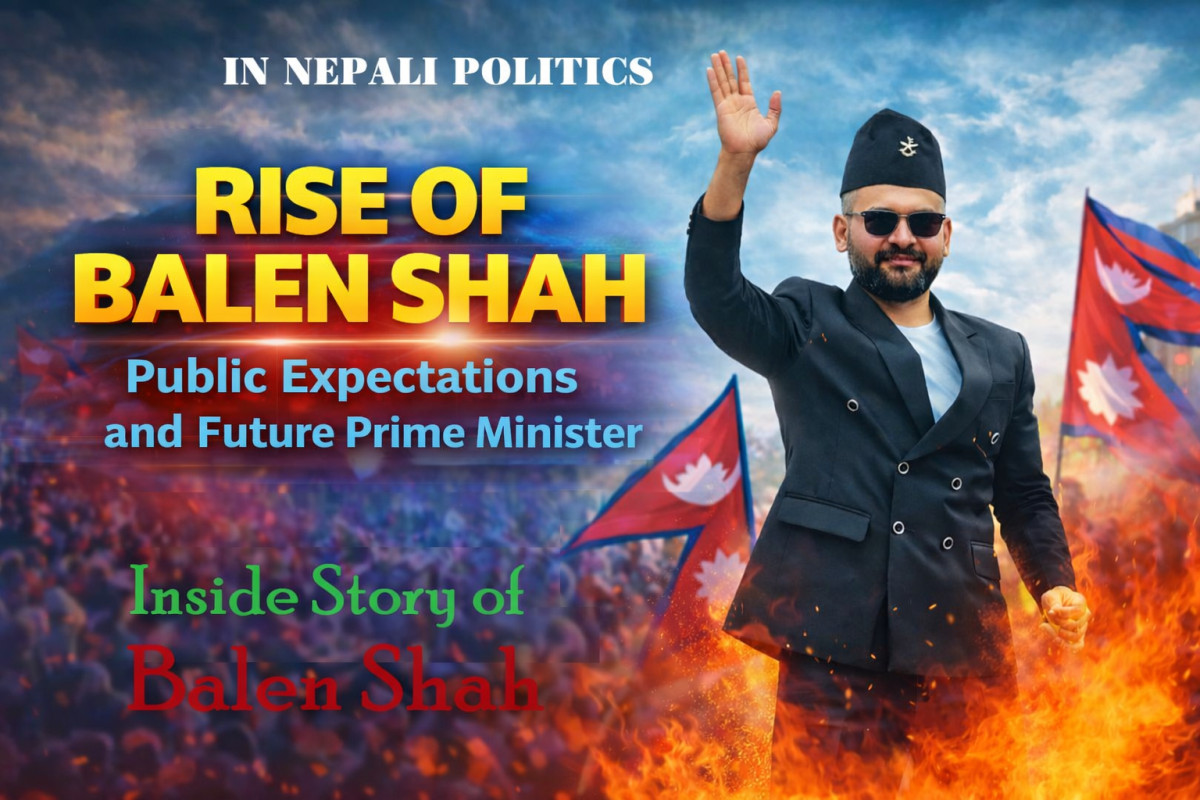
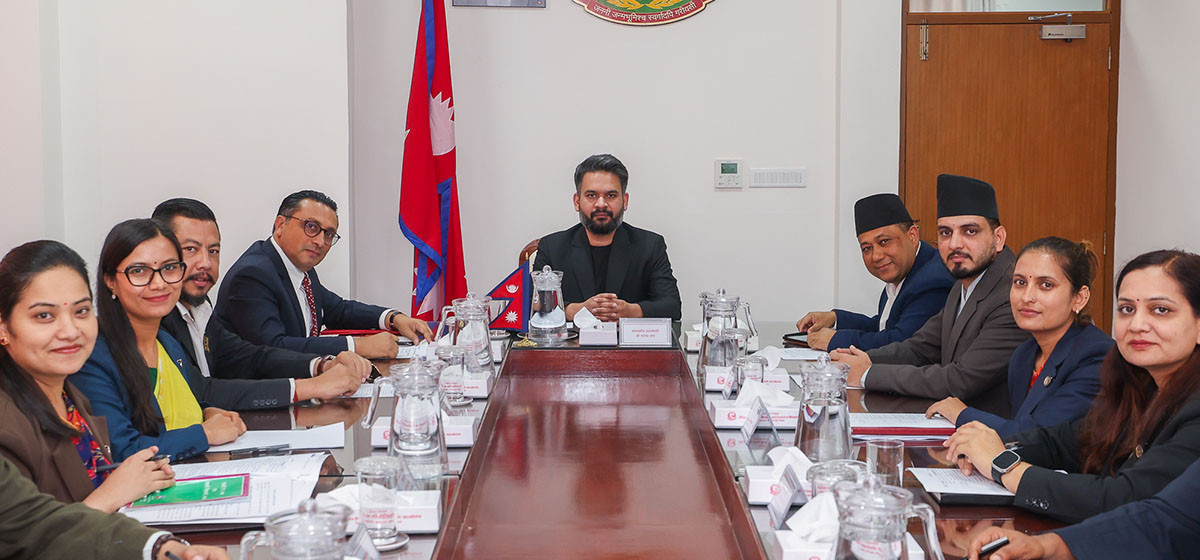
Karthmandu – In recent years, Balen Shah—popularly known as “Balen”—has emerged as a widely recognized figure among the Nepali public. Once known primarily as a rapper in Nepal’s music scene, he rose to prominence as the Mayor of Kathmandu Metropolitan City and is now on the verge of leading the nation as Prime Minister.
With a strong political mandate and nearly a two-thirds majority government led by Rastriya Swatantra Party, Balen Shah is set to take charge as the country’s new leader following the general elections held on Falgun 21. As the parliamentary party leader, his transition into national leadership marks a significant shift in Nepal’s political landscape.
Who is Balen Shah?
Born in 1990 in Kathmandu, Balen Shah represents a new generation of leadership. He completed his early education in Nepal, earned a bachelor’s degree in Civil Engineering, and later pursued a master’s degree in Urban Planning from an Indian university. His academic background is seen as a strong foundation for urban management, infrastructure development, and long-term national planning.
Although professionally an engineer, Balen gained widespread recognition through Nepali rap music. His songs often highlighted social issues such as corruption, inequality, and youth frustration. This gave him a strong connection with the younger generation and positioned him as a voice of dissent against systemic problems.
From Musical Identity to Social Influence
Balen’s musical journey was not just about entertainment—it carried strong social messages. His rap songs resonated with youth, addressing real issues and challenging the status quo. Over time, he evolved from a musical figure into a social commentator and influencer.
He actively engaged in public debates and social media discussions, criticizing traditional political systems while proposing alternative ideas. This helped him build a loyal support base among urban youth, educated citizens, and those seeking change.
The Fearless Mayor
In the 2022 local elections, Balen Shah contested as an independent candidate for Mayor of Kathmandu Metropolitan City. Defying major political parties, he secured a historic victory with 61,767 votes.
As mayor, he quickly established a reputation for decisive action. His initiatives included:
- Strict enforcement of urban regulations
- Removal of unauthorized structures
- Improvement in public service delivery
- Administrative transparency
His leadership style—often described as “less talk, more action”—won public appreciation and elevated him to national prominence.
Entry into National Politics
Balen Shah’s growing influence naturally extended beyond Kathmandu. His popularity spread nationwide, fueled by social media and grassroots support.
Initially expected to form his own political platform, he later joined the Rastriya Swatantra Party as its prime ministerial candidate. This move significantly boosted his support base both domestically and among the Nepali diaspora.
During the recent general elections, Balen campaigned across the country—from Mechi in the east to Mahakali in the west—presenting ambitious development plans. His speeches and public interactions resonated strongly with voters.
In a high-profile contest, he even challenged veteran leader KP Sharma Oli in Jhapa Constituency No. 5 and reportedly secured a decisive victory with a margin exceeding 51,000 votes.
Challenges and Public Expectations
Nepal currently faces multiple challenges:
- Rising unemployment
- Youth migration abroad
- Decline in industries
- Inefficiency in public service delivery
In this context, public expectations from Balen Shah are extremely high. Citizens hope for:
- Job creation within the country
- Good governance and transparency
- Efficient public services
- Economic revival
Nepal’s weak economic structure, increasing unemployment, and continuous outflow of youth have made the situation more urgent. Many people believe that new leadership could bring meaningful change.
Development, Infrastructure, and Environment
Infrastructure development remains a critical priority. Roads, bridges, energy projects, railways, and digital networks are essential to boost economic activity. However, delays, cost overruns, and poor project management have historically slowed progress.
Environmental challenges are equally pressing. Climate change is significantly impacting Nepal’s Himalayan region, leading to:
- Glacial melting
- Increased floods and landslides
- Unpredictable weather patterns
Balancing development with environmental protection will be a key test for the new leadership.
A New Hope Amid Uncertainty
The Nepali public is increasingly disillusioned with traditional political practices. Balen Shah represents a fresh alternative—symbolizing hope, energy, and change.
However, his journey will not be easy. Despite a strong mandate, he faces:
- Limited institutional political experience
- Complex policy implementation at the national level
- Geopolitical challenges with neighboring countries
- The need for coordination across multiple sectors
Ultimately, the future of Nepal does not depend on one individual alone. Sustainable progress requires collaboration among citizens, government institutions, the private sector, and civil society.